Pelvic Floor Therapy
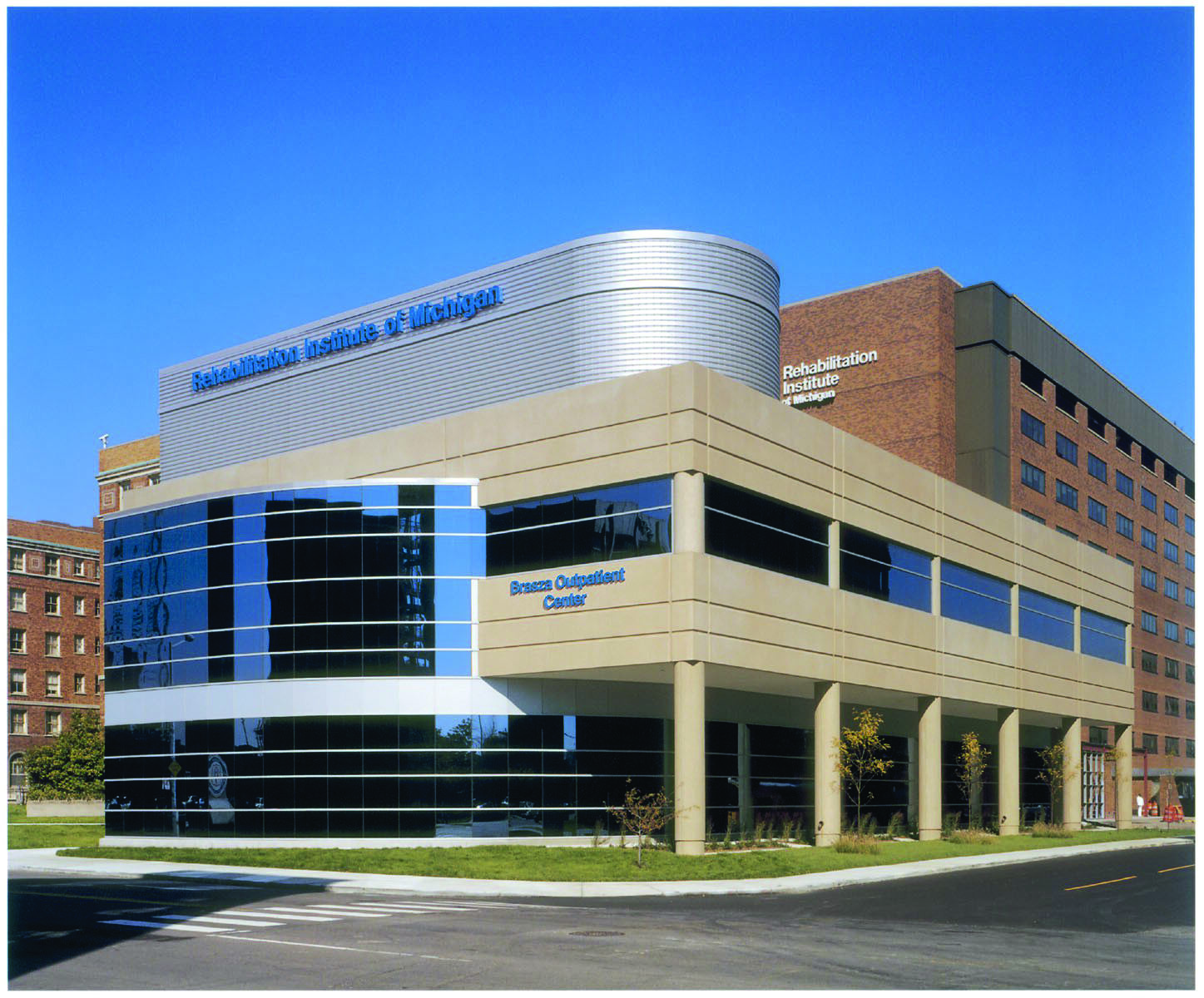
At the DMC Rehabilitation Institute of Michigan’s (RIM) locations throughout Metro Detroit, we provide pelvic floor therapy as part of our outpatient rehabilitation services. This specialized care is designed to help people who experience pelvic pain, bladder or bowel incontinence or a feeling of pressure in the pelvic area. Our team works with patients to better understand their symptoms and guide them toward strategies that support improved function and comfort.
What Is Pelvic Floor Therapy?
Pelvic floor physical therapy is a type of specialized care that focuses on the muscles and tissues at the base of the pelvis. These muscles support the bladder, bowel, uterus and rectum and play an important role in everyday functions like urination, bowel movements and sexual health.
When these muscles do not work as they should (either by being too tight, too weak or not coordinating properly), it may lead to symptoms such as pain, difficulty with bladder or bowel control or feelings of pressure in the pelvic area. Pelvic floor therapy helps address these concerns by improving muscle awareness, strength, relaxation and coordination.
This therapy is often guided by trained professionals who work with patients to understand their symptoms, provide tailored exercises or techniques and support overall pelvic health. While it does not cure all underlying conditions, it can be an important step in easing discomfort, improving function and helping people better manage pelvic floor dysfunction.
What Is Pelvic Floor Pain?
Pelvic floor pain refers to discomfort or pressure in the lower part of the body, often felt in the pelvis, abdomen, rectum, tailbone or lower back. For some, pelvic pain symptoms may feel like a dull ache or heaviness; for others, it can come as sharp, fleeting or cramping pain. The pain might last only a few minutes, come and go over hours or days or become ongoing and persistent.
Not all pelvic pain is a cause for alarm, but it should not be ignored, especially if it is recurring, interferes with daily activities or is accompanied by other symptoms like trouble with urination, bowel movements or sexual function. Talking with a healthcare professional can help identify the cause and guide the next steps for pelvic pain treatment.
Pelvic Floor Therapy for Incontinence
Pelvic floor therapy is commonly used to treat urinary incontinence, especially in older adults or after childbirth or surgery. Just like any other muscle in the body, the pelvic floor may be strengthened through targeted exercises. This helps prevent leaks when you cough, laugh or lift something.
Pelvic floor therapy aims to treat the root cause of many types of incontinence, not just the symptoms. Click here to learn more about RIM's Incontinence Therapy Program.
How Does Pelvic Floor Therapy Work?
Before therapy begins, the process typically starts with a thorough conversation and review of your medical history. This may include questions about bladder and bowel habits, childbirth experiences, surgeries, pain symptoms and daily activities. Some patients may be asked to complete diaries about voiding, bowel movements or diet. A physical exam often follows where the therapist or physician gently checks the strength, flexibility and sensitivity of the pelvic floor and surrounding areas.
During therapy, sessions may involve learning how to strengthen or relax the pelvic muscles, practicing breathing and posture techniques and working on coordination. Therapists may use gentle manual techniques, stretching, or biofeedback, a method that shows how the muscles respond in real-time to help patients learn control. For some, assessments can be done internally (similar to a pelvic exam), though this is always based on comfort and consent. Therapy can also include lifestyle guidance, such as diet changes or daily exercises, to support long-term improvement.
After therapy sessions, patients often continue with at-home exercises or relaxation practices to reinforce what was learned. Progress may be gradual and the length of treatment varies depending on the condition, severity of symptoms and individual needs.
The benefits of pelvic floor therapy can include better control of bladder or bowel function, less pelvic pain or pressure, improved muscle coordination and greater comfort during daily activities. While it may not cure every underlying condition, it provides tools and strategies to manage symptoms and improve quality of life.
Find a Pelvic Floor Trained Physical Therapist
If you are experiencing pelvic pain, trouble with bladder or bowel control or a feeling of pressure in the pelvic area, ask your doctor for a prescription for pelvic floor therapy. Pelvic floor therapy is available at our Detroit, Sterling Heights, Novi, Commerce Twp. and Oak Park locations. To request a therapy appointment, please fill out the online form below.